Book Appointment Now

High Blood Sugar Symptoms: When Should You See a Doctor?
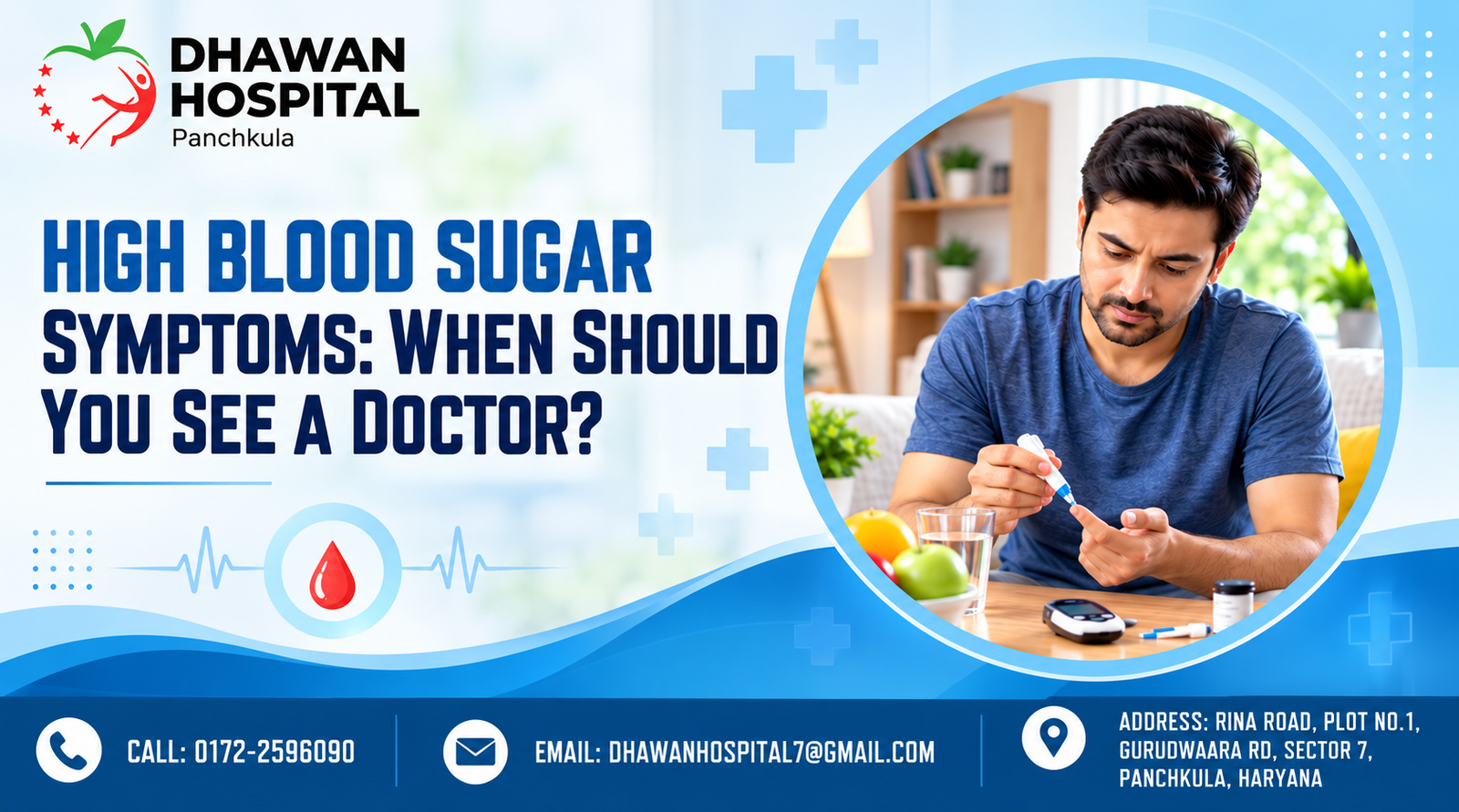
Are you experiencing high blood sugar symptoms such as frequent urination, excessive thirst, tiredness, or blurred vision? These may indicate elevated blood glucose levels. Recognising the early signs of high blood sugar can help you seek medical advice and reduce the risk of complications.
High blood sugar, also called hyperglycemia, often occurs when the body cannot produce enough insulin or use it properly. Understanding high blood sugar causes and knowing when to see a doctor for high blood sugar can help you take timely action and manage your health.
What Are the Common Symptoms of High Blood Sugar?
The common high blood sugar symptoms include frequent urination, excessive thirst, fatigue, blurred vision, and increased hunger. These symptoms may develop gradually, especially in people with diabetes.
- Frequent urination: High blood sugar makes the kidneys work harder to remove excess glucose through urine.
- Excessive thirst: Fluid loss can cause dehydration and increased thirst.
- Fatigue: High glucose levels can affect how the body uses energy.
- Blurred vision: Changes in blood sugar can affect the fluid balance in the eyes.
- Increased hunger: The body may struggle to use glucose effectively for energy.
- Unexplained weight loss: Some people lose weight when the body starts using fat and muscle for energy.
- Slow-healing wounds: Persistently high blood sugar can interfere with normal healing.
These high blood glucose symptoms can vary from person to person, and some people may not notice any early warning signs. If symptoms persist, get your blood sugar checked and consult a doctor for appropriate guidance.
What Causes High Blood Sugar Levels?
High blood sugar causes include problems with insulin production or use, missed diabetes medication, illness, stress, and certain lifestyle habits. High blood glucose can occur in people with diabetes and, sometimes, in those who have not yet been diagnosed.
Common causes include:
- Diabetes: The body cannot produce enough insulin or use it effectively.
- Missed medication: Skipping prescribed insulin or diabetes medicines can raise glucose levels.
- Dietary habits: Eating more carbohydrates than your body can manage may increase blood sugar.
- Physical inactivity: Limited physical activity can make blood sugar harder to control.
- Illness or stress: Infections, illness, and stress hormones may raise glucose levels.
- Certain medicines: Steroids and some other medicines can increase blood sugar.
- Dehydration: Not drinking enough fluids can contribute to higher glucose concentrations.
Understanding these causes can help you improve blood sugar management. If your readings remain high despite following your treatment plan, consult a doctor to review your medicines, diet, and overall health.

How Can You Recognize Dangerous High Blood Sugar Symptoms?
Dangerous high blood sugar warning signs may include vomiting, abdominal pain, rapid or deep breathing, confusion, and severe dehydration. These symptoms can indicate a serious condition, such as diabetic ketoacidosis (DKA), which requires emergency medical care.
Watch for these warning signs:
- Severe thirst and dehydration: Very dry mouth, weakness, or dizziness.
- Vomiting or abdominal pain: Especially when accompanied by high blood glucose.
- Rapid or deep breathing: Breathing may become unusually fast or difficult.
- Fruity-smelling breath: This can be a warning sign of diabetic ketoacidosis.
- Confusion or drowsiness: Changes in alertness need urgent attention.
- Very high blood sugar readings: Persistent high readings, especially with symptoms, require prompt medical advice.
If you experience emergency high blood sugar symptoms, seek emergency care immediately. Do not wait for symptoms to worsen. If you have diabetes, follow your prescribed sick-day or emergency plan while arranging medical help.
How Can You Manage High Blood Sugar Levels?
You can manage high blood sugar levels through prescribed medication, balanced meals, regular physical activity, and routine blood glucose monitoring. The right approach depends on your readings, medical history, and whether you have diabetes.
- Monitor blood glucose: Check your levels as advised by your doctor.
- Follow a balanced diet: Choose fibre-rich vegetables, whole grains, and suitable protein portions. Control portion sizes and sugary foods.
- Stay physically active: Regular walking or other suitable exercise can help improve blood sugar control.
- Take medicines as prescribed: Do not skip, stop, or change diabetes medication without medical advice.
- Stay hydrated: Drink enough water unless your doctor has advised fluid restrictions.
- Attend regular check-ups: Blood glucose tests and HbA1c tests help assess your control over time.
These steps support blood glucose management and may lower the risk of diabetes complications. If your readings remain high or your symptoms worsen, consult a doctor for a review of your treatment plan.
About Dhawan Hospital
Dhawan Hospital is a NABH-certified multispeciality healthcare facility in Sector 7, Panchkula, Haryana. The hospital provides patient-focused medical care across various specialties, supported by experienced healthcare professionals and modern medical facilities.
For people seeking diabetes care in Panchkula, Dhawan Hospital offers diabetes management services focused on blood sugar monitoring, diagnosis, and personalised care. Its advanced diabetic package includes HbA1c monitoring, diabetic foot care, retinal screening, and treatment planning to help patients manage diabetes and reduce the risk of complications.
How Can Dhawan Hospital Help With High Blood Sugar Management?
Dhawan Hospital supports high blood sugar symptoms through diabetes care services, health assessments, and monitoring options that help patients understand their glucose levels and manage their condition.
The hospital’s diabetes care services may help patients with:
- Blood glucose testing: Checking blood sugar levels to support diagnosis and ongoing monitoring.
- HbA1c monitoring: Assessing average blood glucose levels over approximately three months.
- Personalised treatment planning: Helping patients understand appropriate care based on their health needs.
- Diabetic foot care: Supporting early identification and management of foot-related complications.
- Retinal screening: Helping identify diabetes-related eye problems through appropriate screening.
- Lifestyle guidance: Providing advice on diet and daily habits to support better blood sugar control.
If you experience persistent high blood sugar symptoms, a medical assessment can help identify the cause and guide suitable treatment. Timely diabetes care can also help reduce the risk of long-term complications.
Why Choose Dhawan Hospital for Diabetes Care in Panchkula?
Choosing the right healthcare facility can help you manage diabetes and monitor high blood sugar levels more effectively. Dhawan Hospital offers diabetes care services in Panchkula, with a focus on patient safety, medical guidance, and ongoing health monitoring.
- NABH-Certified Facility: A healthcare environment focused on quality and patient safety.
- Diabetes Management Services: Support for blood glucose monitoring and ongoing diabetes care.
- Advanced Diabetic Package: Includes HbA1c monitoring, diabetic foot care, retinal screening, and personalised treatment planning.
- Experienced Medical Team: Healthcare professionals who support patients throughout their care journey.
- Comprehensive Healthcare: Access to multiple medical specialties for related health concerns.
- Patient-Focused Approach: Care tailored to individual health needs and medical assessments.
If you are experiencing high blood sugar symptoms, timely medical advice can help you understand your condition and take appropriate steps towards better blood sugar control.

Get Medical Help for High Blood Sugar Symptoms
If you experience high blood sugar symptoms such as excessive thirst, frequent urination, or persistent fatigue, consult a doctor and get your blood glucose levels checked. Dhawan Hospital provides diabetes care in Panchkula to support diagnosis, monitoring, and blood sugar management. Seek emergency care immediately for vomiting, confusion, or rapid breathing.
Contact Information
Dhawan Hospital
Address: Plot Number 1, Dhawan Hospital, Rina Road, Gurudwaara Rd, Sector 7, Panchkula, Haryana
Phone: 9368039657
Email: dhawanhospital7@gmail.com
Conclusion
Recognising high blood sugar symptoms early can help you seek timely medical care and reduce the risk of complications. If you experience frequent urination, excessive thirst, fatigue, or blurred vision, get your blood glucose levels checked. Following a balanced diet, taking prescribed medication, and attending regular check-ups can support better blood sugar control. For guidance on diabetes management and monitoring, Dhawan Hospital provides diabetes care services in Panchkula.
FAQs – High Blood Sugar Symptoms: When Should You See a Doctor?
Q1. What are the common symptoms of high blood sugar?
Ans. Common symptoms include frequent urination, excessive thirst, fatigue, blurred vision, increased hunger, and unexplained weight loss.
Q2. What causes high blood sugar levels?
Ans. High blood sugar can result from diabetes, missed medication, illness, stress, limited physical activity, or certain medicines, including steroids.
Q3. When should you see a doctor for high blood sugar?
Ans. Consult a doctor if symptoms persist, worsen, or occur repeatedly. Seek emergency care for vomiting, confusion, rapid breathing, or severe weakness.
Q4. Can high blood sugar occur without diabetes?
Ans. Yes. Certain illnesses, stress, and medicines can temporarily raise blood glucose. Persistent high readings need medical assessment to check for diabetes or other causes
Q5. How can I reduce high blood sugar levels?
Ans. Follow your prescribed treatment, monitor glucose levels, drink enough water, and maintain a balanced diet. Do not change medication doses without medical advice.