Book Appointment Now

What Causes Uterine Fibroids? Common Risk Factors Explained
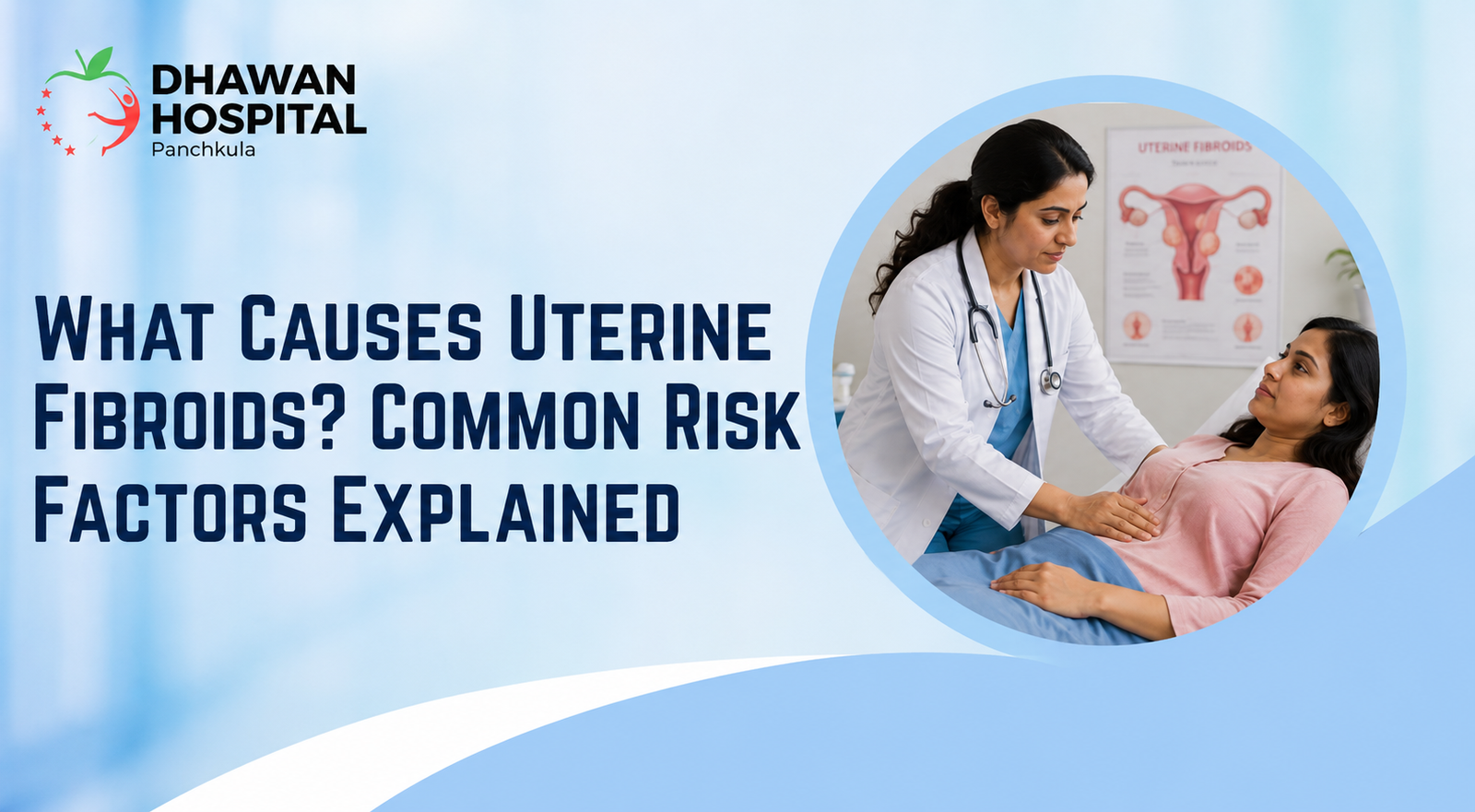
Are you searching for information about uterine fibroids and wondering what may cause them? Uterine fibroids are common, non-cancerous growths that develop in or around the uterus. They may cause heavy periods, pelvic pain, pressure, frequent urination, or fertility concerns in some women. At Dhawan Hospital, women can access specialist care for fibroid-related concerns and other gynecological conditions.
The exact Uterine Fibroids Causes are not fully understood, but hormones such as estrogen and progesterone, age, family history, genetic factors, and body weight may influence their development or growth. Understanding these Causes of Uterine Fibroids and related risk factors can help women recognize symptoms early and seek timely evaluation from a qualified gynecologist.
What Are Uterine Fibroids?
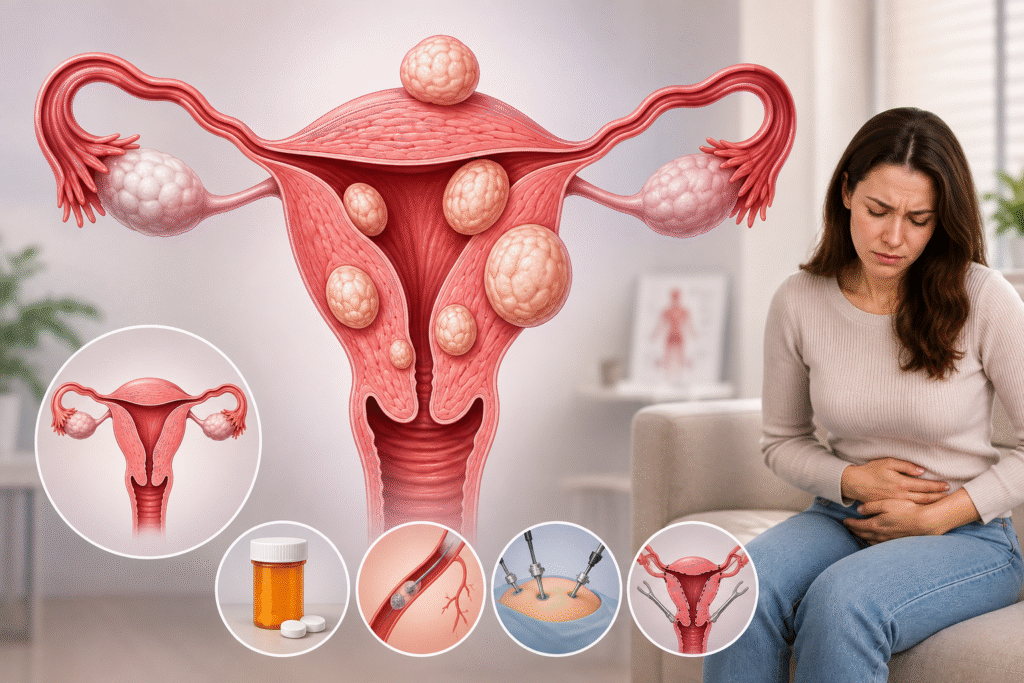
Uterine fibroids are non-cancerous growths that develop in or around the uterus. The exact Causes of Uterine Fibroids are not fully understood, but hormonal and genetic factors may play a role. Fibroids can differ in size and number, and some women may have them without experiencing noticeable symptoms.
There are different Types of Uterine Fibroids, depending on where they develop in the uterus. Common Uterine Fibroids Symptoms may include heavy menstrual bleeding, pelvic pain, pressure, frequent urination, or reproductive concerns. The symptoms often depend on the size, location, and number of fibroids.
What Causes Uterine Fibroids?
The exact Uterine Fibroids Causes are not fully known. Fibroids develop when cells in the muscular tissue of the uterus grow abnormally.
Common Uterine Fibroid Risk Factors
- Fibroids and Hormones: Estrogen and progesterone can influence fibroid growth.
- Family History of Fibroids: Having a close relative with fibroids may increase your risk.
- Fibroids and Age: Fibroids are more common during the reproductive years.
- Fibroids and Obesity: Excess body weight may be associated with a higher risk.
- Fibroids and Vitamin D: Research suggests that low vitamin D levels may be associated with fibroids, although more research is needed.
These factors do not guarantee that you will develop fibroids. In many cases, fibroids result from a combination of genetic, hormonal, and other biological factors.
What Are the Common Symptoms of Uterine Fibroids?
Some women with uterine fibroids have no symptoms, while others may experience problems based on the fibroids’ size, number, and location. Common Uterine Fibroids Symptoms include:
- Heavy or prolonged periods: Excessive bleeding or periods lasting longer than usual.
- Pelvic pain or pressure: A feeling of heaviness, discomfort, or pain in the lower abdomen.
- Painful periods: Increased menstrual cramps or discomfort.
- Frequent urination: Fibroids may press against the bladder.
- Constipation or back pain: Larger fibroids can put pressure on nearby organs.
- Fertility concerns: Certain fibroids may be linked with Fibroids and Infertility or pregnancy complications.
If you experience persistent Fibroid Symptoms in Women, especially heavy bleeding or severe pelvic pain, consult a gynecologist for proper Fibroid Diagnosis.
About Dhawan Hospital
Dhawan Hospital is a NABH-certified multispecialty hospital in Panchkula providing patient-focused healthcare across multiple specialties. With experienced medical professionals and modern facilities, the hospital focuses on safe, compassionate, and personalized care.
The hospital’s Obstetrics and Gynaecology department provides dedicated women’s healthcare, including diagnosis and treatment of various gynecological conditions. Patients can receive expert guidance and ongoing support throughout their treatment journey.
What Treatment Options Are Available for Uterine Fibroids?
Uterine Fibroid Treatment depends on factors such as the size, number, and location of fibroids, symptoms, age, and pregnancy plans. If fibroids are small and do not cause symptoms, a doctor may recommend regular monitoring rather than immediate treatment.
Common Treatment Options
- Medications: Certain medicines may help manage heavy bleeding, pain, or other symptoms.
- Non-Surgical Fibroid Treatment: Depending on the individual case, non-surgical approaches may help control symptoms or manage fibroids without an operation.
- Minimally Invasive Fibroid Treatment: Minimally invasive procedures may be considered when symptoms are significant and treatment is needed.
- Surgery: Procedures such as myomectomy may be recommended for selected patients, particularly when fibroids cause significant symptoms or affect fertility.
A gynecologist can evaluate your condition and recommend the most suitable treatment based on your individual needs and future pregnancy plans.
When Should You See a Gynecologist for Fibroids?
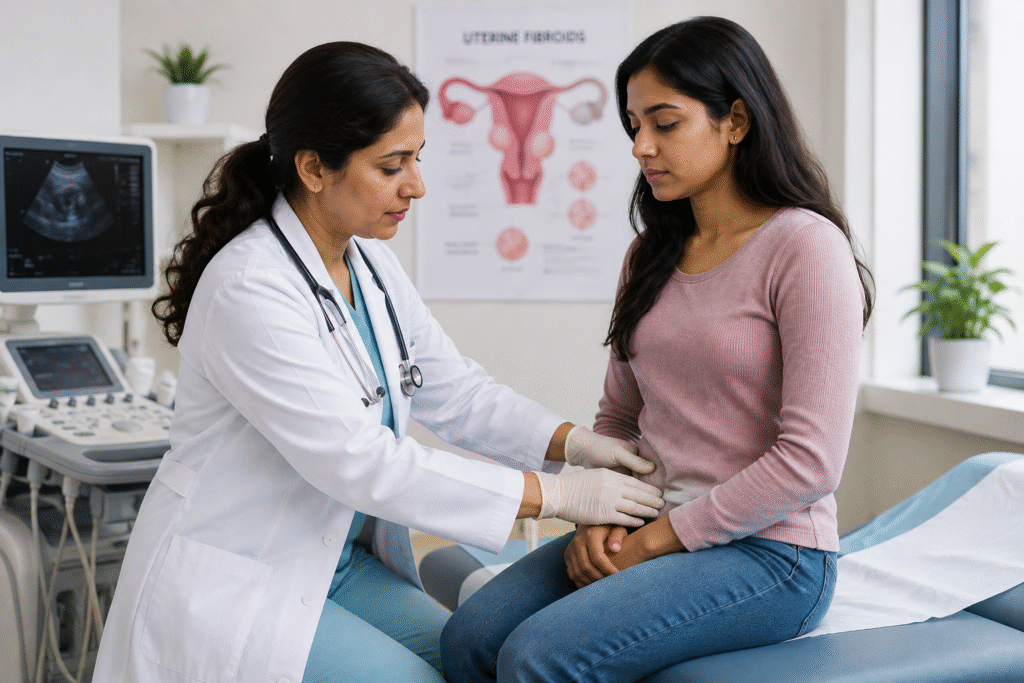
You should consider seeing a gynecologist if you experience persistent or unusually heavy menstrual bleeding, severe period pain, pelvic pressure, frequent urination, or unexplained changes in your menstrual cycle. These symptoms can have several causes, so proper evaluation is important.
A Fibroid Specialist in Panchkula can assess your symptoms, medical history, and examination findings and may recommend imaging tests when needed. Early evaluation can help identify fibroids and determine whether monitoring or Uterine Fibroid Treatment is appropriate.
Why Choose Dhawan Hospital for Uterine Fibroid Treatment?
Choosing the right hospital for fibroid care can make the treatment journey more comfortable and organized. Dhawan Hospital provides dedicated Obstetrics and Gynaecology services with experienced specialists and patient-focused care.
Patients can benefit from:
- Experienced specialists: Get guidance from qualified gynecology professionals based on your individual condition.
- Comprehensive care: Access consultation, diagnosis, treatment, and follow-up support in one hospital.
- Modern medical facilities: The hospital combines medical expertise with modern healthcare infrastructure.
- Personalized treatment: Treatment recommendations are based on symptoms, fibroid characteristics, and individual health needs.
- Minimally invasive options: Suitable patients may be evaluated for minimally invasive approaches when clinically appropriate.
- Patient-focused support: The team aims to provide clear guidance and compassionate care throughout the treatment journey.
If you are looking for a Gynecologist in Panchkula or a Fibroid Doctor in Panchkula, consulting a qualified specialist can help you understand your condition and available treatment options.
Get Expert Care for Uterine Fibroids in Panchkula
Experiencing heavy periods, pelvic pain, or other Uterine Fibroids Symptoms? Timely consultation can help with accurate Fibroid Diagnosis and appropriate care.
Dhawan Hospital offers Uterine Fibroid Treatment in Panchkula through its Obstetrics and Gynaecology department. Consult a Fibroid Specialist in Panchkula for personalized treatment guidance and better Uterine Health
Contact Information
Dhawan Hospital
Address: Plot Number 1, Dhawan Hospital, Rina Road, Gurudwaara Rd, Sector 7, Panchkula, Haryana
Phone: 9368039657
Email: dhawanhospital7@gmail.com
Conclusion
Understanding the Causes of Uterine Fibroids and their risk factors can help women recognize symptoms and seek timely care. Hormones, genetics, age, and certain health factors may influence fibroid development, but the exact cause is not always known.
If you experience heavy periods, pelvic pain, or other Uterine Fibroids Symptoms, consult a gynecologist for proper Fibroid Diagnosis and treatment guidance. For women seeking Fibroid Treatment in Panchkula, Dhawan Hospital offers personalized gynecological care based on individual needs.
FAQs – What Causes Uterine Fibroids? Common Risk Factors Explained
Q1. What is the main cause of uterine fibroids?
Ans. The exact Uterine Fibroids Causes are not fully known. Hormones, genetic changes, age, and certain health factors may influence their development and growth.
Q2. What are the common risk factors for uterine fibroids?
Ans. Common Uterine Fibroid Risk Factors include family history, reproductive age, hormonal factors, and possibly obesity and low vitamin D levels.
Q3. Can hormones cause uterine fibroids?
Ans. Fibroids and Hormones are closely linked. Estrogen and progesterone may contribute to the growth of fibroid tissue, although they are not considered the sole cause.
Q4. What are the common symptoms of uterine fibroids?
Ans. Common Uterine Fibroids Symptoms include heavy periods, prolonged bleeding, pelvic pain or pressure, frequent urination, and sometimes fertility concerns.
Q5. Can uterine fibroids affect fertility?
Ans. Yes. Depending on their size and location, fibroids may sometimes affect fertility or pregnancy. A gynecologist can assess whether fibroids are contributing to fertility problems.